Adapting to the Future: Preparing Your Home's Electrical System for Emerging Technologies Jun 25, 2026
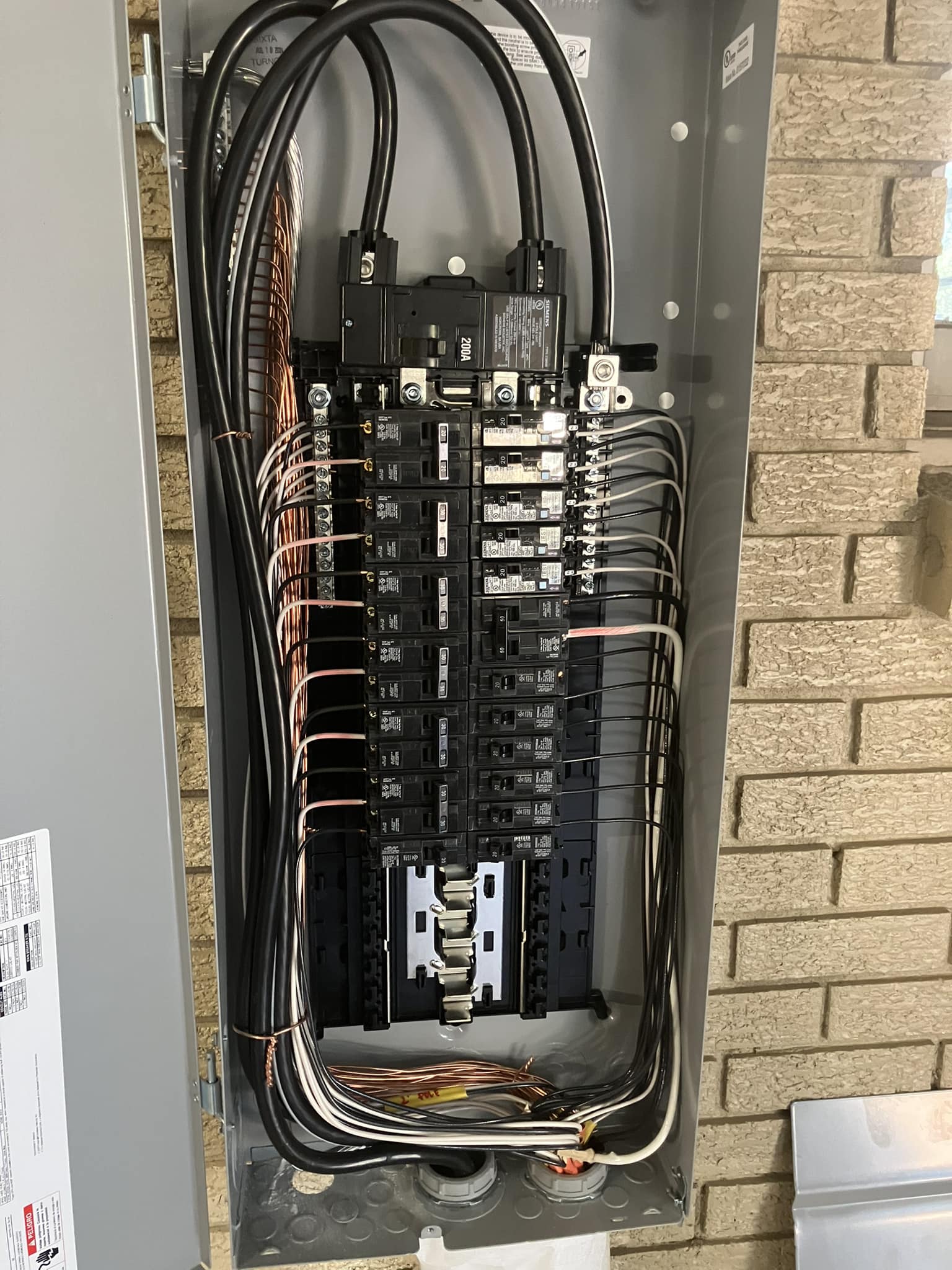
First and foremost, consider the age and capacity of your current electrical system. Older homes might not have been designed to handle the demands of modern electronics and devices. Begin by assessing your home's electrical capacity to determine if an upgrade is necessary. This may involve increasing the size of your electrical panel to handle new circuits and higher energy loads, which is especially important for homes incorporating numerous smart devices or planning to add electric vehicle charging stations.
Once you've assessed your home's capacity, focus on future-proofing your electrical wiring. Modern technologies often require specific wiring capabilities, such as Cat6 cabling for internet connectivity or new wiring to support smart lighting systems. Investing in high-quality wiring not only enhances your home's safety and reliability but also ensures that any future technological updates can be more easily integrated.
Another crucial aspect to consider is the installation of dedicated circuits for high-powered appliances and devices. Adding dedicated circuits helps prevent overloads and ensures that each device receives the power it needs. This is especially important if you plan to introduce an electric vehicle charger, or a home automation system that controls heating, lighting, and security.
Smart home technology typically relies on seamless and strong connectivity. To achieve this, your home will need a robust network of Wi-Fi coverage and potentially a smart hub to ensure all devices communicate effectively. This may require additional electrical outlets in strategic locations for plugging in routers and Wi-Fi extenders. Planning the placement of these outlets now can save time and expense when the demand for connectivity increases in the future.
Energy efficiency is another significant consideration. As you incorporate more smart technology into your home, be aware of the energy consumption of each device. Installing smart meters and energy-efficient appliances can save on electricity bills and reduce your environmental impact, ensuring your home is both smart and sustainable.
To safeguard your home's electrical system and newly installed technologies, implementing surge protection is essential. Power surges can damage sensitive electronic devices and smart home equipment. Whole-home surge protectors can be installed to protect against voltage spikes, thereby extending the life of your investments in smart technology.
In conclusion, preparing your home's electrical system for emerging technologies involves thoughtful planning and sometimes necessary upgrades. By ensuring your electrical capacity and wiring are up to date, installing dedicated circuits, strengthening connectivity, and improving energy efficiency, you position your home not only to adapt to present needs but also future developments. At Honey Do Electrical Services, our expert electricians are here to help guide you through this process, ensuring your home remains a leader in smart technology innovation. Adapt now, and enjoy the seamless integration of tomorrow's cutting-edge technologies today.
/filters:no_upscale()/filters:format(webp)/media/2b600151-0d5f-4a2e-9912-23170fc1da57.jpg)
/filters:no_upscale()/filters:format(webp)/media/0acd3be5-f63c-4521-beff-c32962f9ac08.jpeg)